
Aniek’s story as a physiotherapist in Bern
Aniek moved from the Netherlands to Bern with PhysioMatch and now works as a physiotherapist in a geriatric rehabilitation clinic. She shares her experiences about working and living in Switzerland.
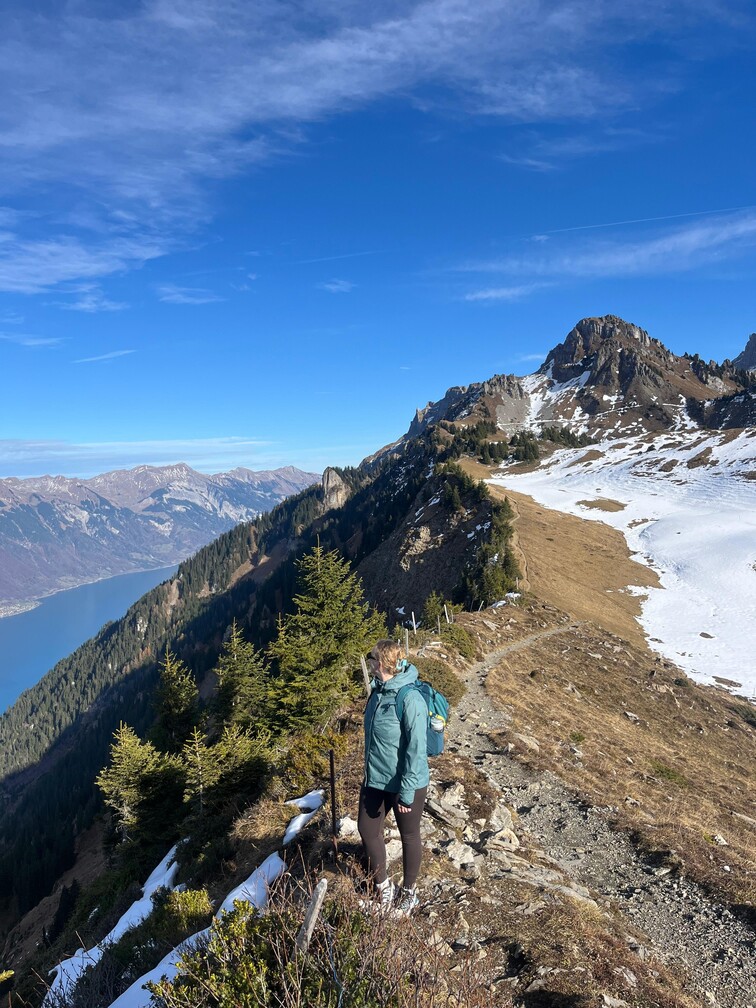
From the Netherlands to the Swiss mountains: Aniek’s story as a physiotherapist in Bern
Working as a physiotherapist in Switzerland is a dream for many healthcare professionals. Better working conditions, a different way of working and living in a beautiful environment make the move very appealing. Aniek made this decision after several years of work experience in the Netherlands. With the guidance of PhysioMatch, she found her job in Switzerland. Since October 2025, she has been living and working as a physiotherapist in a geriatric rehabilitation clinic near Bern. In this story, she shares her experiences, from her first doubts to her daily life in Switzerland.
From Drenthe to Bern
Aniek is 25 years old and originally from Drenthe. For her physiotherapy studies, she moved to Enschede, where she continued living and working for two years after graduating. After that period, she started to feel the urge for something new. She was ready for a new adventure and began exploring opportunities abroad.
I already had experience abroad during my internship in Austria, and I really enjoyed it. After working for two years, it felt like the right moment for something new.
Through PhysioMatch, she got in touch with employers in Switzerland. The process felt structured and well guided, which made taking the step abroad less intimidating. Eventually, she found a position in a geriatric rehabilitation clinic near Bern.
A well considered move to Switzerland
Aniek did not make the decision to leave the Netherlands lightly. She thought about it for a long time and went through the entire process step by step together with PhysioMatch.
It was very exciting, but because I went through the whole process calmly, it did not feel rushed. I felt well prepared and was actually really looking forward to it.
One of the first challenges was finding housing. She had hoped to arrange this from the Netherlands, but that turned out to be more difficult than expected. Therefore, she started her Swiss adventure in temporary accommodation provided by the clinic. From there, she eventually found an apartment in Bern.
Working and living in Switzerland
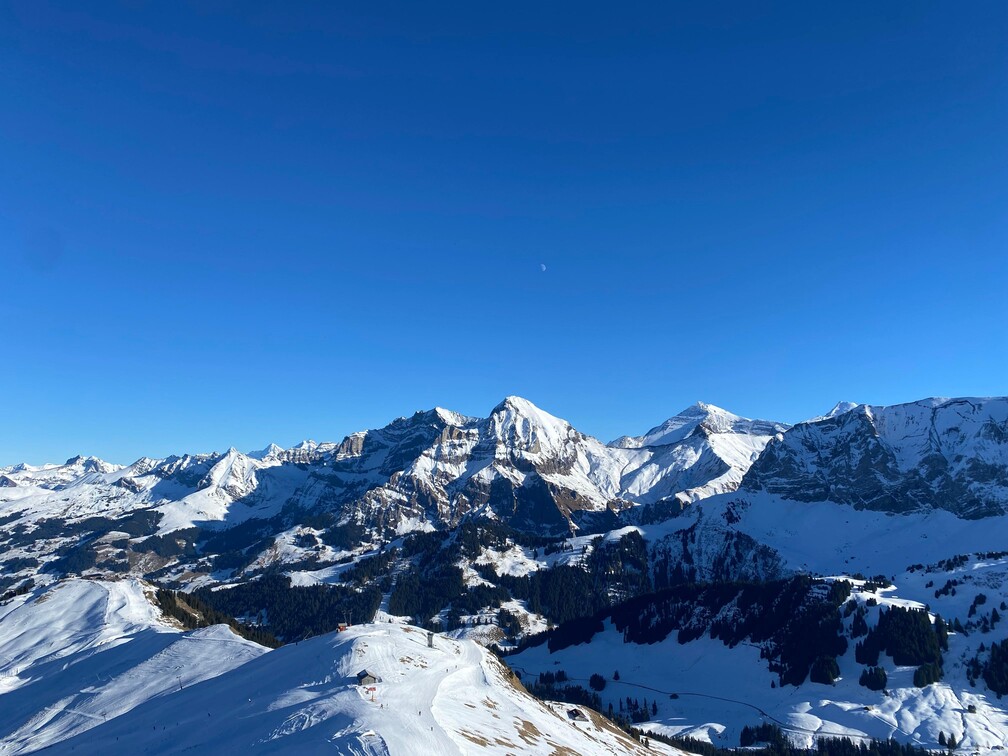
Financially, Aniek notices a difference compared to the Netherlands. She earns more, but also sees that her fixed expenses are higher. Taxes in this canton are relatively high, and her hobbies, such as skiing, are more expensive as well. Health insurance in particular was a big difference, from around 150 euros in the Netherlands to almost 400 Swiss francs per month.
She also works fewer hours than before. In Switzerland, she works 80 percent, approximately 33 hours spread over four days. In the Netherlands, she worked 38 hours in four days.
It is definitely more relaxed. The work here is also very structured, which gives peace of mind, you know exactly what to expect.
Due to the SRK registration, she has temporary additional costs, but after completion she will receive a small salary increase.
Physiotherapy in a Swiss institution
Working in a Swiss rehabilitation clinic differs greatly from her previous job in the Netherlands. Whereas she used to work in a primary care practice, she now works within an institution. These types of care are difficult to compare.
What stands out most to her is that patients in Switzerland can be admitted when necessary. Whether it concerns rehabilitation after surgery, dementia, or temporarily relieving the home situation, admission is possible. Within the clinic, there is also room for cognitive rehabilitation.
In the Netherlands, I saw many of these patients at home. Here, people can be admitted and receive intensive guidance.
Contact with colleagues is organised differently. Many employees work part time, so she collaborates with different colleagues every day. The atmosphere is just as informal as in the Netherlands, but you get to know people more slowly. With patients, she actually has more continuity, as she sees them daily. The contact is slightly more formal, and patients are usually addressed by their last name.
Development and career opportunities
Further education is definitely encouraged within the clinic. The advice is to focus mainly on gaining work experience during the first year. There are internal courses and annual training programmes. Together with the team, it is determined which knowledge and specialisations are needed. Pursuing a master’s degree is also possible.
Aniek works, among others, with patients with amputations, a target group she finds very interesting. In the Netherlands, she also worked with oncology patients. These are both areas in which she would like to specialise further in the future.
Work life balance and daily enjoyment
Aniek experiences the work life balance in Switzerland as very positive. Because of her shorter working week, she has more time for relaxation and leisure.
In the Netherlands, I worked 38 hours in four days, which was quite intense. Now I work fewer hours, and that feels much calmer.
She previously had more of a holiday feeling during her internship in Austria, but she also enjoys her surroundings in Switzerland every day.
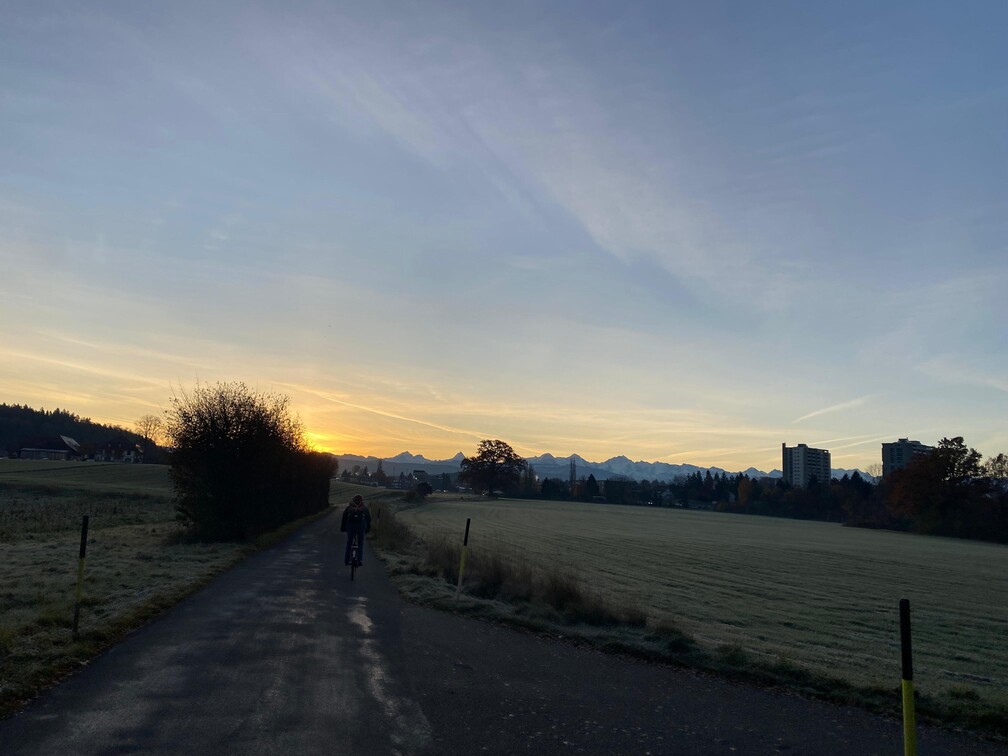
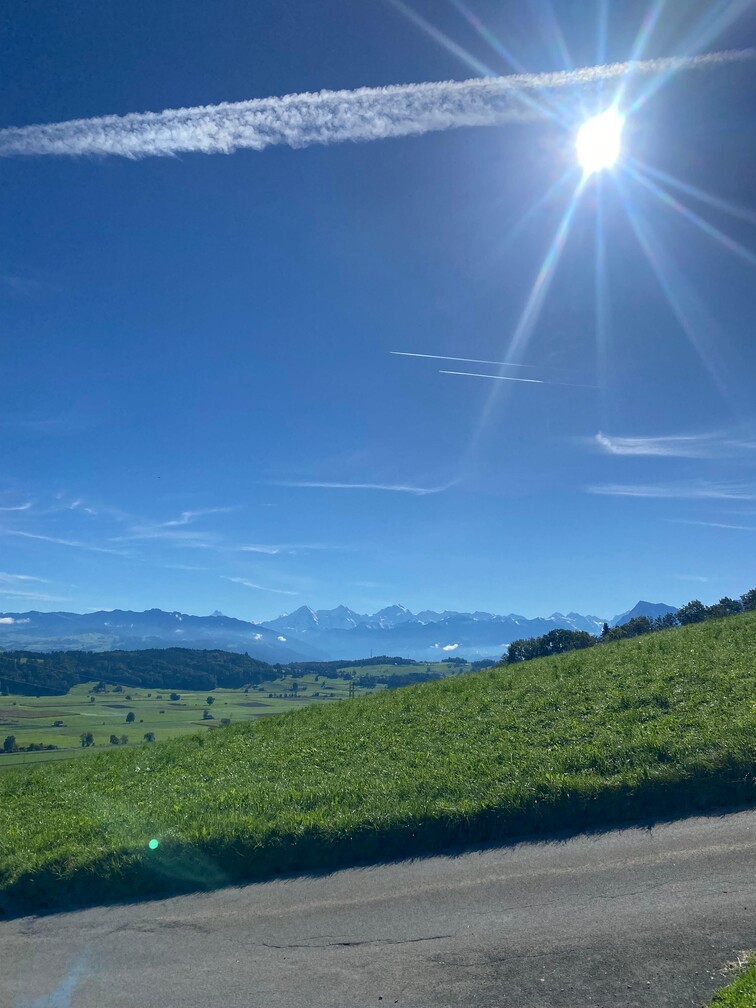
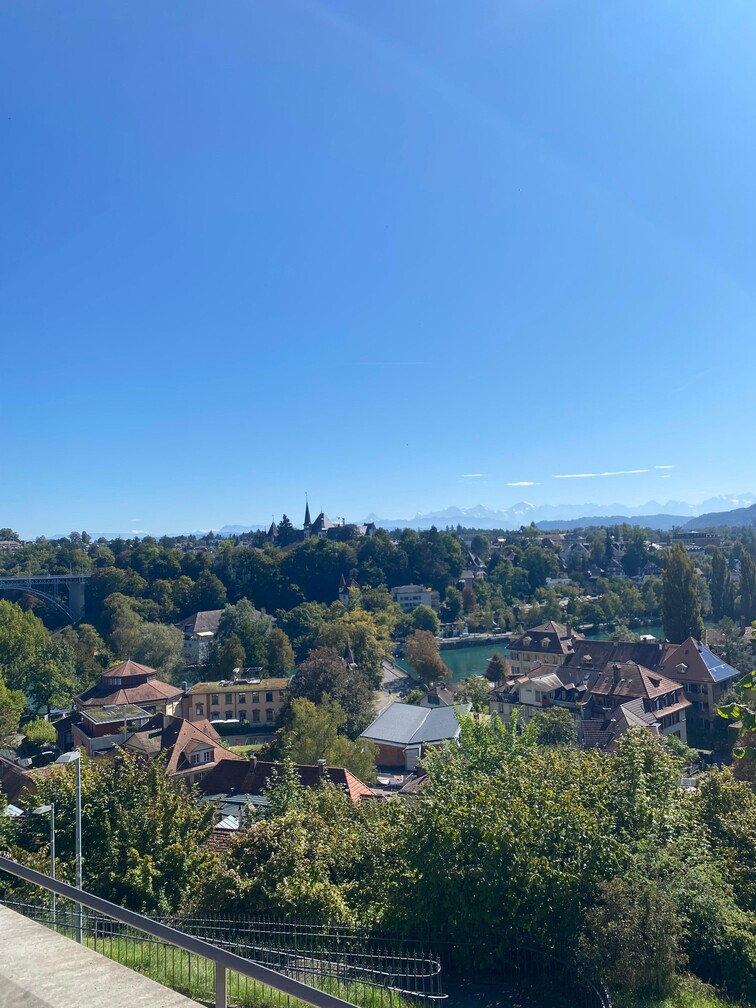
I have a view of the Jungfrau from my balcony. Every morning I cycle from Bern to work with the mountains in the background, and that always feels special.
Living in Bern
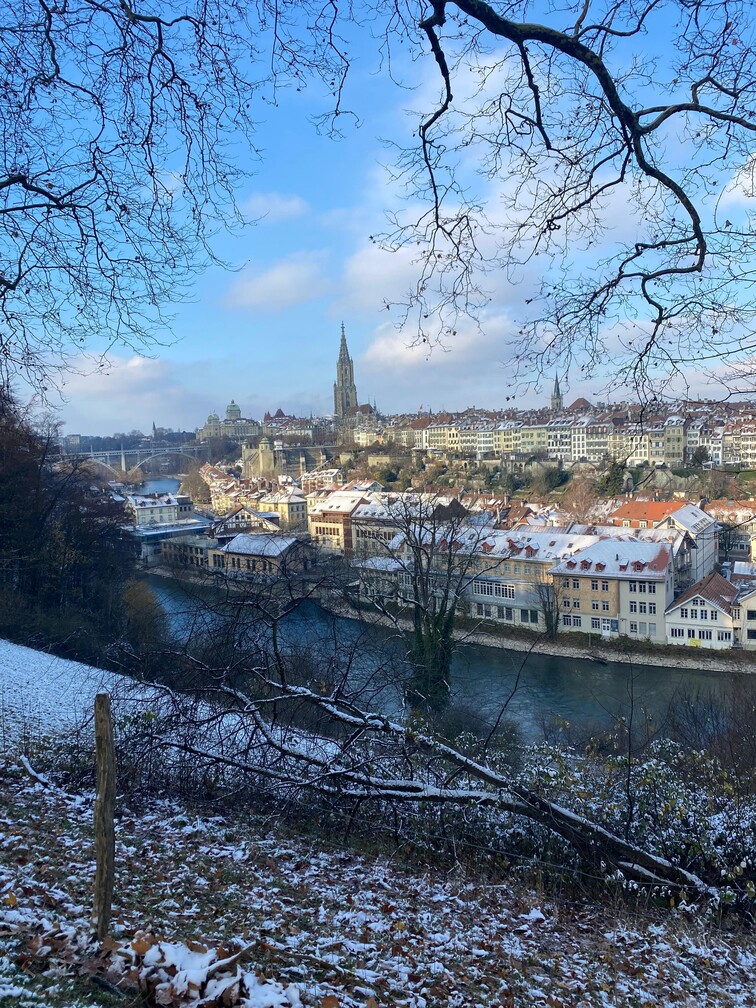
Aniek lives in Bern, the official capital of Switzerland. The city is comparable in size to cities such as Enschede or Deventer. Not extremely large, but lively and rich in culture and architecture. The river Aare runs through the city, and there is plenty of greenery. Bern is known as a calm city, creating a relaxed atmosphere. The covered shopping streets invite you to slow down and enjoy life.
She lives in an apartment with one roommate, a so called WG. That feels familiar, as she also shared her home in the Netherlands. The apartment is beautiful, and she gets along well with her roommate. They often eat together and talk about their day. Her roommate is English and has also gone through the emigration process, which creates a lot of mutual understanding. She also finds other expats to be open and welcoming.
Favourite places in Bern
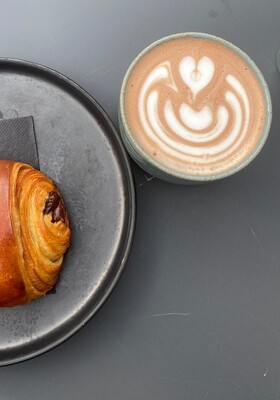
In her free time, Aniek enjoys exploring the city. Her favourite coffee place is Noy, just a few streets from her home. Her favourite running route passes the ice hockey stadium, through streets with second hand shops and cosy cafés, eventually ending at Noy. Small routines that make Bern feel more and more like home.
Doubts and advice for other physiotherapists
For Aniek, a good working atmosphere is more important than the surroundings, although the environment certainly contributes to her job satisfaction. For physiotherapists who are considering making the same move, she has clear advice.
Follow your gut feeling. PhysioMatch can support you well throughout the entire process, but ultimately a workplace and living environment have to feel right for you. Visit Switzerland and see workplaces in person before making a decision.
Thank you Aniek for sharing your inspiring story. Would you like to start working as a physiotherapist in Switzerland through PhysioMatch, just like Aniek? Feel free to contact us. We guide you step by step, from the first introduction to your first working day.
Would you like a personal conversation?
Emigrating isn't something you do every day, thankfully. We understand there's a lot to consider. Register now and explore your options in Switzerland with us.