
Living in Switzerland as a physiotherapist: how it really feels
Living and working in Switzerland as a physiotherapist is about more than just work. Many physiotherapists experience a better balance between work and leisure time, with nature close by and a more active weekly routine.
The costs are higher, but manageable if you make conscious choices about where you live and what you spend your money on. You build your social network step by step, often through work and sport.
For those who enjoy structure, being outdoors and personal development, Switzerland can be a suitable and enriching move, both professionally and privately.
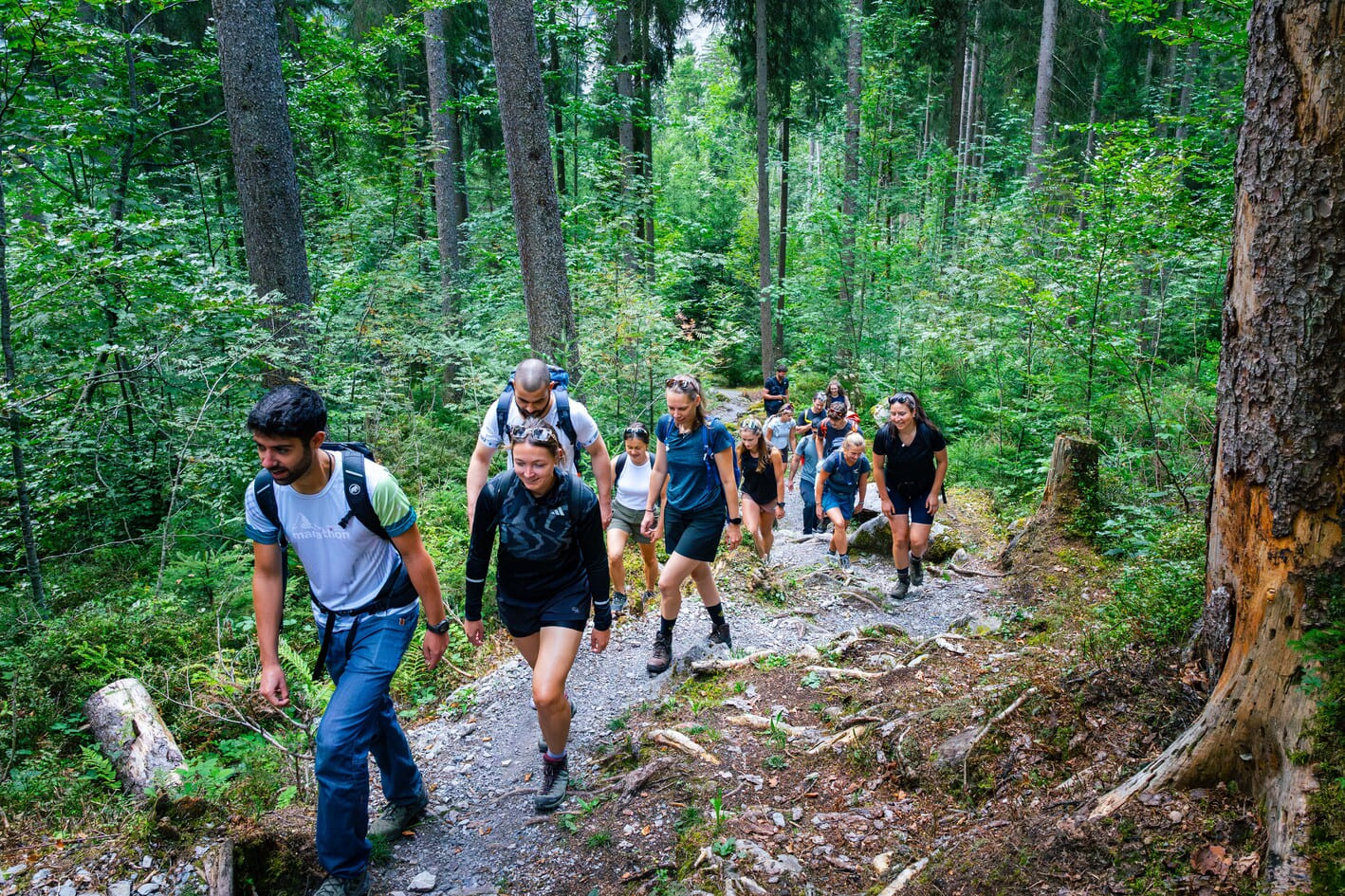
Living and working in Switzerland as a physiotherapist
Anyone considering working as a physiotherapist in Switzerland often notices that their interest goes beyond the job itself. It is the questions outside of work that tend to linger. What does daily life look like? What do you do after work? And how does it feel to live somewhere where work, leisure and surroundings come together differently?
For many physiotherapists, Switzerland is appealing because the overall picture feels right. Not because everything is better, but because living, movement and work can come into balance in a different way. The living environment, the rhythm of the week and the way free time is spent often play a bigger role than expected beforehand.
On this page, you will read how living in Switzerland is experienced by many physiotherapists. Concrete and realistic, without presenting it as better than it is. This makes it clear whether not only the job, but also the life around it, can be a reason to seriously consider this step.
At a glance: what you will learn on this page
- The living environment makes the difference for many people: nature nearby and plenty of outdoor options
- Daily life feels organised and predictable in many regions
- Housing and costs differ by region and by housing choice
- Free time is filled more actively by many physiotherapists and can feel calmer
- Social connections often happen through work, sport and the local circle
- PhysioMatch can help translate this to your situation, region and start phase
More than just the job
Many physiotherapists notice that Switzerland is not only about employment conditions. The living environment can support a rhythm in which work and free time feel more clearly separated. This especially appeals to people who like to move, like being outdoors and get energy from clarity and overview.
After work, there is often literally space. For many people, that means they can get into nature more quickly, without long travel time, and that weekends are filled more actively because options are close by.
At the same time, it is not a non stop holiday feeling. The weather is not perfect every weekend and it is still just living and working, with everything that comes with it.
For many physiotherapists, the difference is mainly in how a workday ends.
After my workday, I still have energy left. That means that in the evening I do something more often or simply go outside.
Bas, physiotherapist in Switzerland
Nature and quality of life
Switzerland has a unique combination of mountains, lakes and green areas that are often close to where people live and work. For many physiotherapists, that influences what their week looks like.
- You often do not have to travel for hours to be in an outdoor environment
- Outdoor activities can become a normal part of your week
- Movement and recovery moments fit more easily into free time for many people
- At the same time, this does not mean you always go into the mountains
- You do not have to be an extreme sports person to benefit from this
Practical example
Many physiotherapists plan their week so that after work they can still go for a walk, do strength training or briefly get into nature. At the weekend, for many this shifts to longer hikes, cycling or winter sports.
For many physiotherapists, a different weekly rhythm naturally develops.
Because everything is close by, you are more likely to quickly go for a walk or a bike ride. That just happens here in between.
Laurine, physiotherapist in Biel/Bienne
Culture and daily life
Daily culture is often described as organised and predictable. You see that in how appointments are kept and how collaboration is structured.
- Clarity and structure in daily life
- Respectful manners
- Professionalism that is also valued outside healthcare
- Social life is not automatically open
- You build your place step by step
Count on a start up phase in which you get to know your surroundings. Those who are active through sport, colleagues or local groups usually find connections faster.
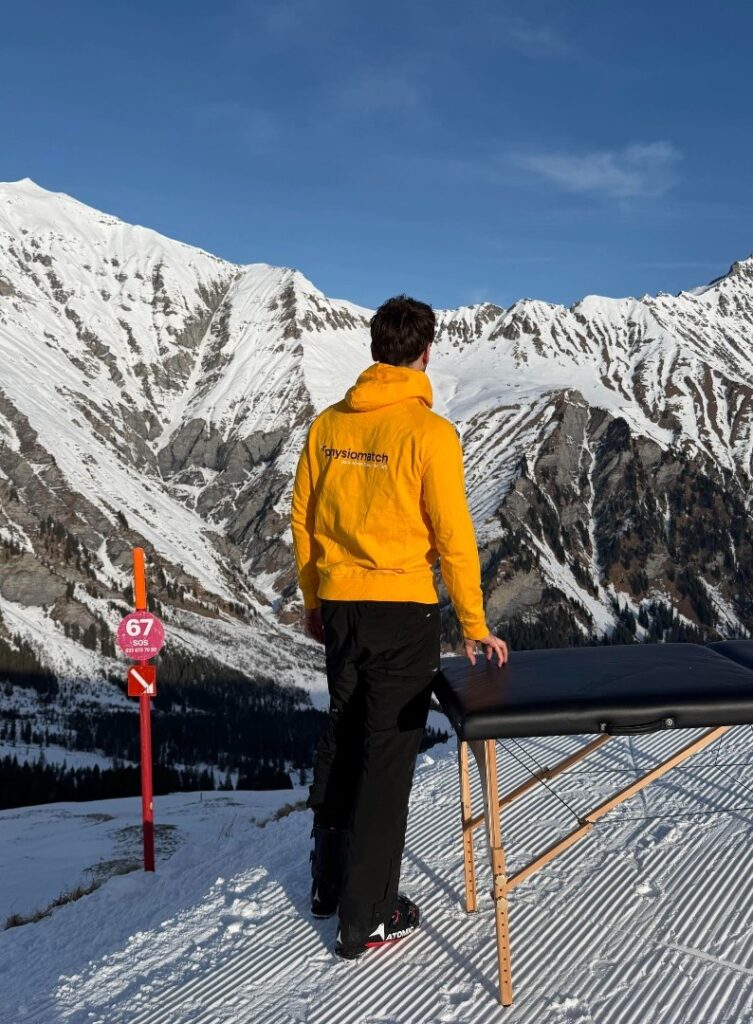
Living in Switzerland: what your choices really mean
Housing is the area where most differences are. Not because it is expensive everywhere, but because region and living style play a huge role.
- Living outside the city is often more affordable
- Sharing a home is common and can create a lot of financial room
- Your housing choice often determines your monthly costs more strongly than the country itself
- You do not necessarily need a luxury budget to live comfortably
- Not everyone lives in or near the centre
How to use this in practice
Decide three things in advance:
Which commuting time to work feels logical for your rhythm
Do you want to live in or near a city, or rather in a village with nature directly around you
Do you want to live independently or share
Cost of living: more expensive, but clear
Switzerland is more expensive than many people are used to. At the same time, the cost picture becomes clearer when you split it into fixed costs and choices.
- Groceries and hospitality are higher
- With conscious choices, it remains manageable for many people
- A lot of free time can be inexpensive if you choose outdoor activities
- Saving remains possible for many physiotherapists
- You do not have to constantly watch your spending
Practical examples
- Discounters and simple weekly planning reduce grocery costs
- Walking, cycling, hiking and camping are often low in cost
- Winter sports are pricier, but many people compensate with free outdoor moments
Health insurance and health: you pay, but you notice it too
In Switzerland, health insurance is mandatory and often a significant fixed cost. What many people notice in practice: access to care is regularly experienced as fast and the technical facilities are often set up in a modern way, although region and insurance type can play a role.
What this does mean
- You have fixed monthly costs for insurance
- In many situations, you can be helped quickly when it is needed
What this does not mean
- That you have healthcare costs on top of your premium every month
- That the experience is exactly the same everywhere
Include the health insurance premium as a fixed cost in your budget. It helps to place this next to your salary and housing choice in advance, so you do not calculate with loose assumptions.
Free time: active weekends and a real break after work
Many physiotherapists describe their weekends in Switzerland as more active than they were used to before. Not because they have to be, but because it is close by and feels logical. For many physiotherapists, the boundary between work and free time therefore feels clearer: after work the laptop closes and free time truly begins.
What this does mean
- More clear separation between work and private life
- Free time is often spent outdoors
- Recovery feels easier for many people, especially if you move
What this does not mean
- That you do not have quiet weekends
- That it always has to be big and spectacular
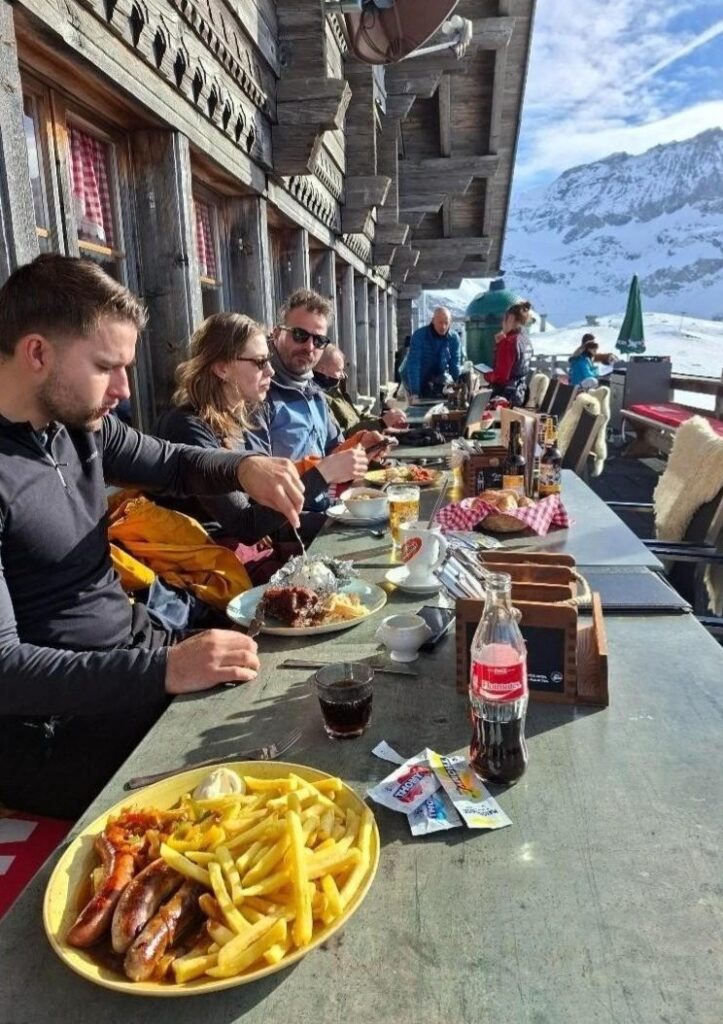
A normal Saturday can consist of a walk, coffee somewhere along the way, and later meeting up with colleagues. In winter, for many people this shifts to skiing or snowboarding, without having to make it a whole trip.
Social connections: how people find their place
Switzerland feels safe and structured for many physiotherapists, but socially you build it up. That often happens fastest through work and sport.
What this does mean
- Colleagues are often the first point of entry
- Sport, fitness and outdoor activities create connection
- Groups and local contacts help you settle in
What this does not mean
That everyone automatically has the same social needs
That you have a large network from week one
How PhysioMatch can make this practical
PhysioMatch can help you get in touch with other physiotherapists who already work in Switzerland. That often provides faster guidance in the first months, especially when you are still building your social base.
Anyone who wants to know how other physiotherapists experienced their start can view the stories page. That often provides exactly the kind of recognition that helps when choosing.
Personal development: what you learn by doing it there
Living and working in a new country requires independence, language development and building a new rhythm. Many physiotherapists experience this as an acceleration in personal growth.
What this does mean
- You get to know yourself better in a new environment
- You become more skilled at making choices and planning
- You develop trust in your own ability to adapt
What this does not mean
- That you have to figure everything out alone
- That staying is the only good outcome
Some stay longer than planned because they like it. Others return with valuable experience and a clear picture of what suits them.
Who living and life in Switzerland often suits well
This often suits physiotherapists who:
- get energy from nature and movement
- like structure and clear agreements
- like to spend their free time actively
- want to live more quietly without giving up opportunities
- enjoy practically making a new language and culture their own
This suits physiotherapists less who:
- strongly rely on a large existing social circle nearby
- mainly seek city life and spontaneous bustle as a basic rhythm
- have little need for outdoor activities and prefer to keep everything within reach of one centre
PhysioMatch can assess this well when your preferences are linked to region, type of practice and living environment. That conversation usually starts with a short inventory of how you want to live, not only where you want to work.
Practical checklist: how to translate this into a feasible choice
- Choose your rhythm
Active weekends, living more quietly, more nature, or more urban - Choose your living style
Living alone or sharing, city or rural area, commuting time to work - Make your cost picture concrete
Fixed costs, health insurance, housing costs, groceries, free time - Build your social start smartly
Work, sport, colleagues, local groups - Connect it to a suitable workplace
A practice and region that matches your lifestyle makes the difference
Anyone who wants to see what possibilities there are now can start with the vacancies page of PhysioMatch. There it often becomes quickly clear which regions and practices match the life you have in mind.
For many people, it starts as an adventure and then becomes a normal rhythm. That is exactly what makes it pleasant: it remains special because of the surroundings, but it also truly feels like living.
Closing: choose calmly, settle in well
Living and working in Switzerland as a physiotherapist is mainly attractive when you value structure, nature nearby and a clear separation between work and private life. It is not an ideal picture, it is a daily environment that surprisingly suits many physiotherapists very well.
Need contact
Anyone who wants to check whether this fits their own situation can discuss this with PhysioMatch. PhysioMatch can translate this into regions, practices and housing choices that feel logical, so you do not only choose a job, but also a life that feels right.
Would you like a personal conversation?
Emigrating isn't something you do every day, thankfully. We understand there's a lot to consider. Register now and explore your options in Switzerland with us.